

Is online therapy as effective as in-person therapy? For most people and most common concerns, the research answer is yes: video-based counseling produces outcomes comparable to office-based care. That finding surprises people, and it deserves a fuller explanation than a headline, because the details matter when the mental health on the line is your own.
This guide walks through what the studies actually measured, why the format holds up, where online therapy genuinely is not the right tool, what teletherapy costs with insurance in Illinois, what to have ready for a first session, and what happens to your care when you travel. Consider it the conversation we would have if you called and asked.
Key Takeaways: Online therapy is as effective as in-person therapy for most common concerns, including anxiety and depression. Peer-reviewed research finds comparable results across treatment effectiveness, diagnosis accuracy, quality of care, and client satisfaction.
The question has been studied seriously for more than a decade, and the pattern is consistent. Peer-reviewed research available through the National Library of Medicine compares telehealth counseling with traditional office visits across the measurements that matter: whether clients improve, whether clinicians diagnose accurately, whether the quality of care holds, and whether clients are satisfied. Across those measures, video-based therapy performs on par with in-person treatment.
The evidence is deepest for the concerns that bring most people to counseling in the first place: anxiety, depression, stress, and adjustment struggles. Cognitive behavioral therapy, the most-studied approach in the field, translates to video with its effectiveness intact, and the same holds for acceptance and commitment therapy and related evidence-based methods. What the research did not find matters just as much: no consistent penalty for the screen. The fear that something essential evaporates over video turns out, for most clients, to be a fear rather than a finding.

Key Takeaways: Online therapy works because the treatment, not the room, does the healing. Video sessions deliver the same evidence-based methods, improve attendance, and let clients practice skills in the environment where problems occur.
Strip therapy to its working parts and none of them require a waiting room. The active ingredients are a trained clinician, an evidence-based method, a trusting relationship, and consistent attendance. A secure video call carries all four. The therapist on your screen asks the same questions, teaches the same skills, and tracks the same progress a therapist across a coffee table would.
Two ingredients actually improve over video. The first is attendance, which predicts outcomes better than almost anything else: sessions that do not require a commute, parking, or childcare simply happen more reliably, week after week, and therapy compounds like anything else you do consistently. The second is context. A client practicing anxiety skills in the same kitchen where the anxiety spikes, or working on family communication from the living room where the arguments happen, is rehearsing in the real theater instead of a rented one.
There is a quieter factor too: many people open up more easily from their own space. The couch is familiar, the door is theirs, and the vulnerability of a first session shrinks when nobody had to sit in a waiting room to reach it. Our clinicians who practice exclusively by video, profiled on our team page, build their whole craft around that dynamic.
Honesty makes the research credible, so here are the edges. Online therapy is not crisis care: active suicidal risk, psychiatric emergencies, and situations requiring immediate intervention belong with the 988 Suicide & Crisis Lifeline, reachable by call or text, or the nearest emergency room. Some conditions and severities genuinely do better with in-person or higher levels of care, and a good teletherapy clinician says so early rather than late.
Preference counts as a real limit too. A minority of clients simply feel the work lands better in a shared room, and no study overrides a person's honest read of their own experience. That is one reason a practice offering both formats holds an advantage over an app offering one: at Grow Wellness Group, a client can start by video and move to in-person sessions at our Naperville office, or blend the two, without changing therapists. The right question is rarely which format wins in general. It is which format this client will actually keep showing up for, and when medication questions enter the picture, our psychiatry team coordinates with the therapist either way.
Key Takeaways: Online therapy in Illinois typically costs the same as in-person sessions when insurance applies, because state coverage protections treat the formats alike. Grow Wellness Group verifies each client's benefits before a first session.
Illinois is one of the better states in which to ask this question. State coverage protections generally require insurance plans to cover telehealth mental health services on par with in-person care, which means the copay for a video session typically matches the copay for an office visit under the same plan. Coverage details still vary plan to plan, so the honest answer to "what will it cost me" always starts with your specific benefits rather than a number in a blog post.
That is why verification comes first. Before any first session, our intake team checks your benefits, explains copays and deductibles in plain numbers, and confirms whether HSA or FSA funds apply, which they typically do. Self-pay clients receive a Good Faith Estimate so the cost is known before the work begins, and our payment and insurance page documents the whole process. One useful budgeting note: because attendance improves with teletherapy, clients often get more completed sessions per dollar of intent, which is the quietest cost advantage the format has.
Key Takeaways: A first telehealth session needs a private space, a device with a camera and microphone, and a reliable internet connection. Grow Wellness Group sends a secure video link and completes paperwork digitally before the appointment.
The equipment list is shorter than most people expect: a phone, tablet, or computer with a camera, an ordinary internet connection or solid cellular signal, and a space where you can speak freely for fifty minutes. Headphones add privacy and are worth the two seconds it takes to plug them in. If a connection drops mid-session, the standard backup is a phone call, so a rural connection or a spotty apartment router does not cost anyone their session.
The useful preparation is mental rather than technical. Jot three things before the first appointment: what you want to be different, what you have already tried, and any questions you want answered before you commit to the work. Paperwork and consent forms arrive through a secure portal ahead of time, so the session itself starts with a conversation instead of a clipboard. First-timers who want the full picture can read our new client guide before reaching out, and the link for the session arrives in your inbox before the appointment.

Here is the rule almost no therapy app explains up front: your therapist's license, not your home address, decides where sessions can happen. Illinois-licensed clinicians can meet you by video anywhere in Illinois, whether that is your apartment, a hotel in another city, or a parked car on a lunch break. Cross the state line, and sessions pause until you are back on Illinois ground, because licensure applies where the client is physically located at session time.
In practice this is a planning conversation, not a crisis. A college student summering out of state, a consultant with a heavy travel month, or a family wintering somewhere warm simply maps the calendar with their therapist ahead of time: sessions cluster before departure, resume on return, and in some professions interstate agreements may create exceptions your clinician can explain. The statewide half of the rule is the generous half. It is why one practice can serve a client in Chicago and a client in Carbondale with the same clinicians, and why moving within Illinois never costs anyone their therapist. Our online therapy hub for Illinois covers the full map.
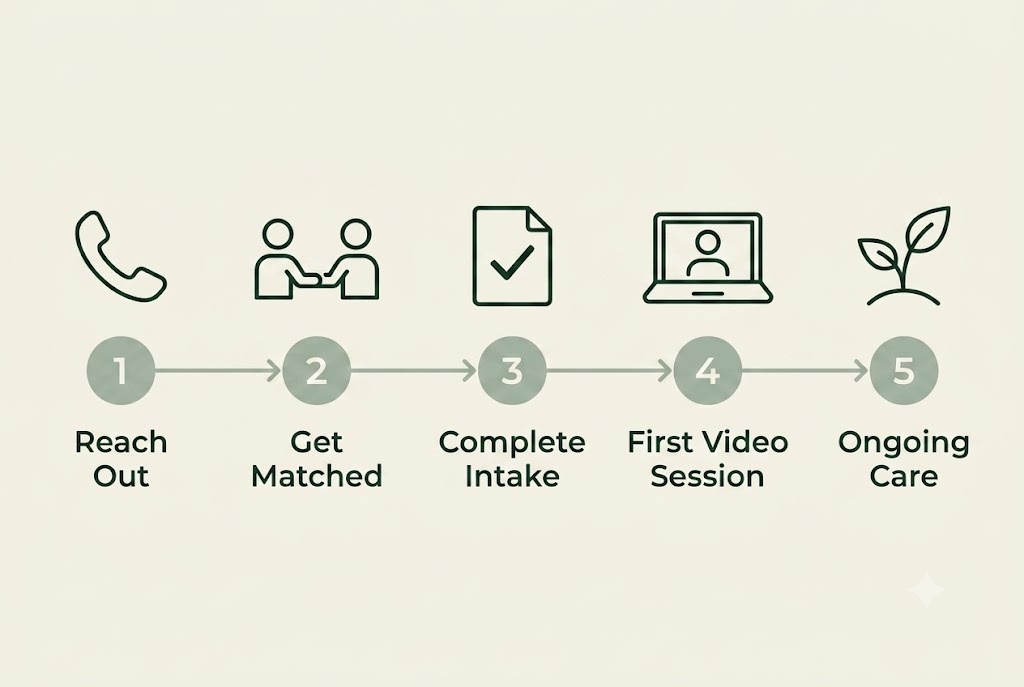
Reach out to Grow Wellness Group today or call (331) 457-2020, and we will match you with a licensed Illinois therapist, verify your benefits, and set up your first video session.


